
About Us

Nicole Barth
“International postdocs make up the majority of the workforce here at Einstein. Although I had amazing support from my PIs, it was a challenge to arrive and not have adequate support from the institution. I believe international postdocs deserve more security and support when it comes to complicated issues surrounding immigration visas and tax treaties. As a union, we would have more power to negotiate for better structures and systems at Einstein that would provide more support for postdocs transitioning to the USA.”

Soumya Chatterjee, Radiation Oncology
“I consider it important, indeed urgently necessary, for intellectual workers to get together, both to protect their own economic status and, also generally speaking, to secure their influence in political field.”- A famous quote of Professor Albert Einstein that influenced me, a Postdoctoral fellow at Einstein, to become involved in forming a Postdoctoral union. I strongly feel having a union will promote general welfare, secure economic well being, and ensure greater tranquility for postdocs at Einstein.”
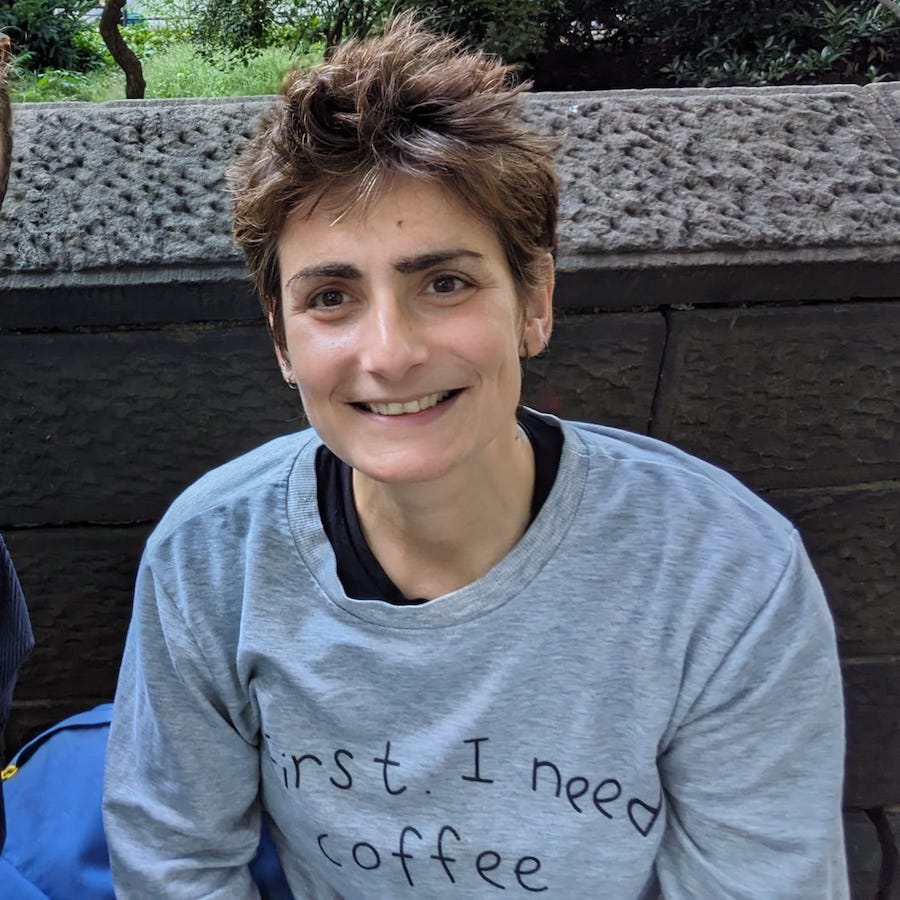
Anna Carboncino, Neuroscience (Former Postdoc)
“I support forming a Postdoc Union because it will provide a collective voice for the Postdoc community to advocate for fair and equitable treatment. Through collective bargaining, postdocs can negotiate for better working conditions, improved benefits, and a more transparent and supportive work environment. This would also enhance the overall quality of research output, as content and motivated researchers would be more likely to contribute to groundbreaking discoveries.”

Anna Adam Artigues, Cell Biology
“As a female postdoctoral fellow and someone who has been heavily involved in ‘Women in Science’ events for several years, I understand the struggles that female researchers face when balancing their scientific career and personal development. Work-life balance disproportionately affects women in science, especially when starting a family, and many are forced out of the profession as a result. Forming a postdoc union would empower us to establish more equitable policies for mothers and minorities at Einstein, which will contribute toward a better future for women in academia.”

Paulina Alatriste Gonzalez, Cell Biology
“Postdocs contribute significantly to Einstein’s academic and scientific reputation. However, the nature of our position is precarious due to job insecurity, lack of clear career development pathways, and insufficient representation in decision-making processes. I believe that a Postdoc Union will provide a platform to address these issues by guaranteeing that our voices will actually be heard by Einstein. With a Postdoc Union we can also improve our research community by creating a sense of belonging that many Postdocs do not have and connect us with thousands of other UAW researchers in NYC and across the country.”

Mahinder Paul, Medicine – Microbiology & Immunology
“As the previous Co-Chair for the Einstein Postdoc Association, I support our effort to form a postdoc union here at Einstein. While a Co-Chair, I advocated for improvements in postdocs’ working conditions and in our community more generally. However, I have found it to be incredibly difficult to influence many important decisions that could bring about positive change.. I believe in forming a union because it will give us the legal right to bargain for improvements with our employer, and a path to work as a collective of postdocs to bring about better working conditions for us all.”

Ritesh Aggarwal, Cancer Center (Former Postdoc)
“I have two kids and raising them in New York has not been easy given that postdocs at Einstein receive the lowest salary among peer medical institutes in NYC, without additional benefits for parents. If parents are to continue in this field, we must unionise to voice our needs and collectively negotiate with our employer for a more reasonable minimum pay and expanded benefits such as childcare and parental leave.”
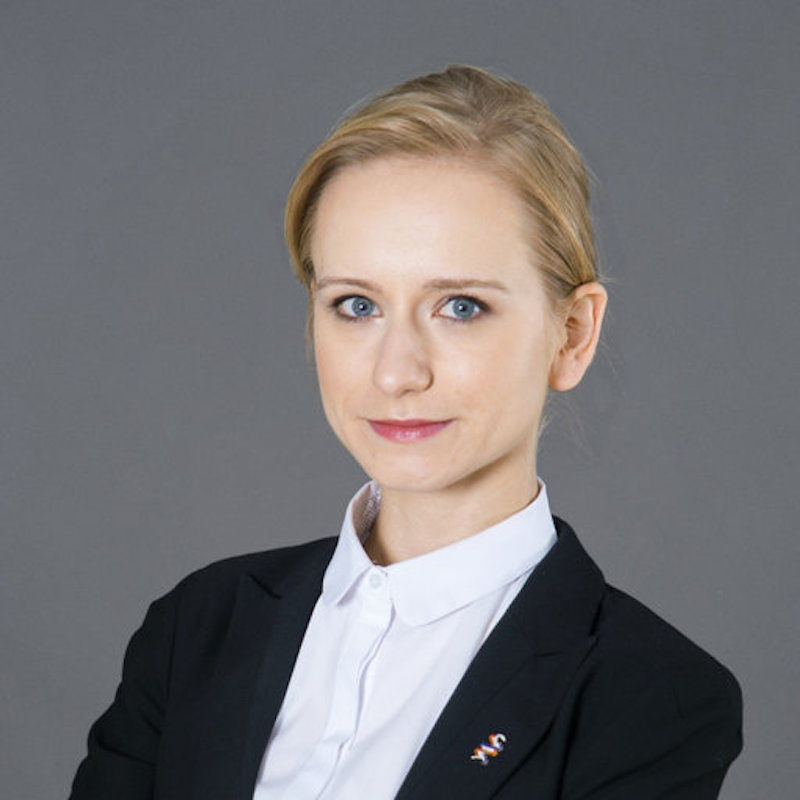
Beata Malachowska, Radiation Oncology
“As a European postdoc in the US, I understand the stress associated with moving to a different continent and culture, facing intricate visa hurdles and inadequate social support systems, let alone the challenge of adjusting to new workplace norms. A union will give us more power to collectively address the specific stressors international postdocs face by negotiating for streamlined visa processes and more inclusive policies. By joining together, including with tens of thousands of international researchers in the UAW, we can create a more supportive environment that recognizes the unique challenges faced by this crucial segment of the research community.”
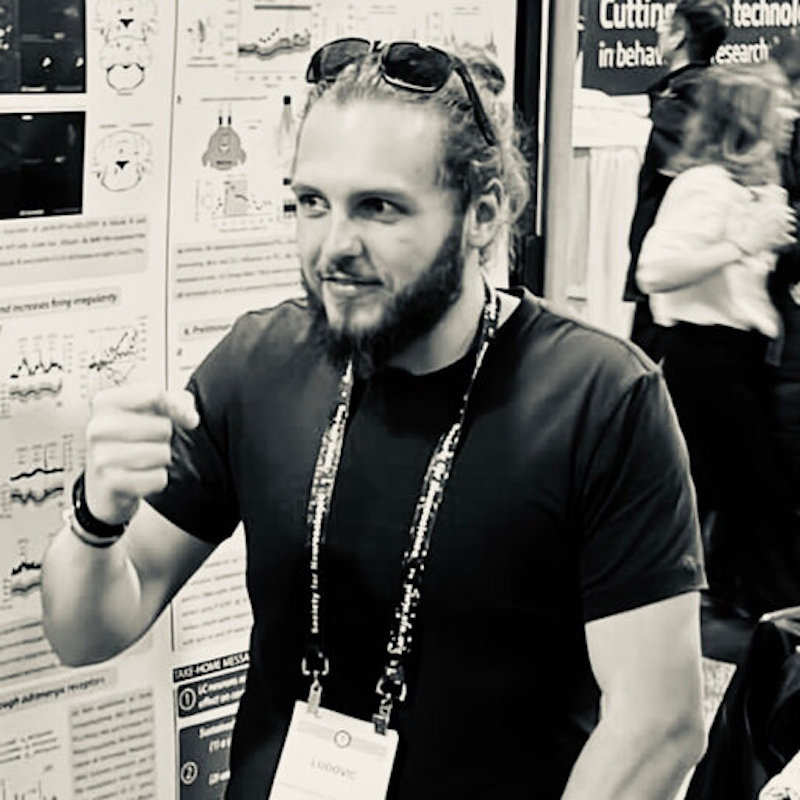
Ludovic Spaeth, Neuroscience
“As a postdoc, I’m expected to produce world-class science with minimal wages and benefits, an unsustainable situation made even more so when living in one if not the most expensive cities in the world. Unionizing would give postdocs more power to improve our salary and benefits through negotiating our working conditions. We would go from having no way to talk as equals with Einstein to having a guaranteed right to engage in dialogue, in which we would all have a voice through a democratic process.”

Erika Pereira Zambalde, Pathology
“Biomedical scientists like myself develop cures for diseases that save lives and improve the quality of life in society as a whole. We postdoc fellows make up the base of this essential research at Albert Einstein College of Medicine. However, our essential work is often underpaid and lacks the support necessary to smoothly move to a new country and culture. I believe a union will give more of a voice to postdoctoral researchers by providing a legal right to bargain with the Einstein administration for improvements in our quality of life. We move across the world to dedicate our expertise to developing innovations that Einstein capitalizes on, and we deserve to have a say in our work conditions that reflects our contribution.”

Michael Papanicolaou, Cell Biology
“I continuously hear about the struggles that postdoctoral fellows face, from financial stress, to hurdles when it comes to starting a family, to gender inequities. I believe that coming together to form a union will allow us to bring about positive change in these long-standing issues by giving us a seat at the bargaining table with Einstein and the collective power to fight for improvements.”

Rohan Misra, Genetics
“Since 2020, there’s been a roughly 10% increase in starting salaries for postdocs at Einstein – significantly short of the over 17% inflation rate for the same period. This discrepancy hits especially hard given that we are largely an international workforce and have to face additional challenges of navigating a new country’s system, from taxation to healthcare. Forming a postdoc union at Einstein would amplify our voice and empower us to push vital issues like fair pay and better benefits to the top of the agenda. With a union, we gain the leverage to achieve long-overdue improvements, aiming for a workplace that truly values and supports our contributions to science.”

Vinay Kumar, Medicine – Molecular Pharmacology
“International postdocs make up the close to 80% of all workforce at Albert Einstein College of Medicine. Our institute does not provide enough support when it comes to complicated issues like immigration, visa and tax treaties. With a postdoc union we can use our collective strength to not only negotiate for better salary and benefits structures, but also for streamlined rules and regulations to help incoming postdocs have a smooth transition to the US.”
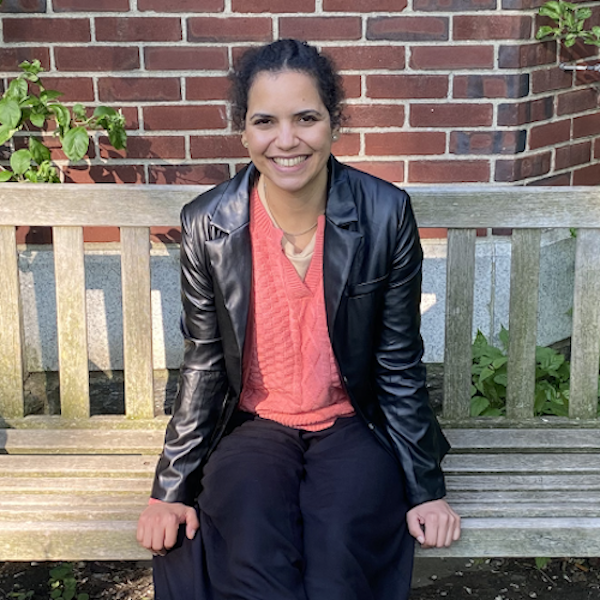
Taiane De Souza, NewCOM
“Many of us arrive at Einstein, most often from abroad, with a dream to develop a career in science through creating new technologies that contribute toward the treatment of diseases, work that helps secure hundreds of millions in NIH Grants for Einstein annually. Despite our contributions, we must live for years without job security, meaningful career progression, or support to start families. I believe forming a union is a democratic way to win the rights our dedication to science and long hours truly deserves. As a union, we will have a stronger voice to advocate for long overdue improvements to pay and working conditions for all postdocs at AECOM and those who come after us.”

Tushar Arora, Neuroscience
“I am Tushar Arora, a postdoctoral researcher specializing in neuroscience. I hold a strong conviction that the existing salary and support structure for postdocs in New York City does not align with the cost of living and demands of the position. In light of this, having a union would empower us to actively advocate for the rights and fair treatment of postdoctoral researchers, aiming to address and rectify the disparities in compensation and support within this vibrant and challenging environment.”